A Smarter Front Desk for Every Call
What Is an AI Receptionist?
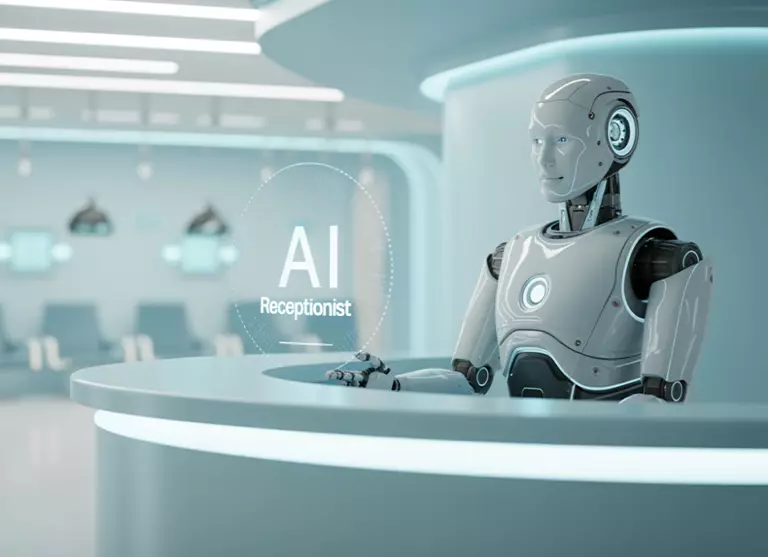
An AI receptionist is a virtual front-desk assistant designed to handle common phone conversations automatically. Instead of simply recording a message, it can understand why someone is calling, ask follow-up questions, collect information, and guide the caller toward the next step.With HappyAssist, the experience can be configured around your business. A plumber may want to capture the service address and urgency. A dental office may want to identify whether the caller is a new patient and help with appointment requests. A contractor may want to collect project type, location, and timeline before a callback.The goal is not to replace every human conversation. It is to make sure routine calls are handled quickly and consistently, while the conversations that need a person reach your team with better context.
Why Businesses Are Moving Beyond Traditional Voicemail
Voicemail was built to store messages, not move customers forward. A caller explains the problem, hangs up, and waits. Your team then has to listen to the recording, return the call, repeat questions, and figure out what to do next.An AI receptionist can make that first interaction useful. It can capture structured information while the caller is already engaged, answer approved questions, support scheduling, and follow the routing rules you choose.This is especially valuable for small businesses where the owner, technician, manager, or front-desk employee cannot stay on the phone all day.
What HappyAssist Can Handle
AI Receptionist Actually Call
Keep the Number Customers Already Know
You do not need to rebuild your marketing around a new phone number. HappyAssist can work with an existing business line through call forwarding, based on the setup you choose
A Better Experience for the Caller
Automation only helps if the customer experience feels easy. That is why a strong AI receptionist should not behave like a complicated phone tree.
Callers should be able to explain what they need in normal language. The system should ask relevant questions, avoid unnecessary steps, and make the next action clear. If the call needs a person, the workflow should support escalation or follow-up rather than pretending the AI can solve everything.
This balance is important. Customers want speed, but they also want to feel heard.
How a Typical Call Works
- A customer calls your existing business number.
- Based on your forwarding rules, HappyAssist answers the call.
- The caller explains what they need in their own words.
- HappyAssist follows your configured conversation flow and collects relevant information.
- The system can help with scheduling, capture a message, classify the call, or follow the routing path you defined.
- Your team receives the call details and can take the next action with context.
Built Around Your Business
Every business has different priorities. A roofing company may care about storm damage, property type, and service area. An auto repair shop may need the vehicle year, make, model, and issue. A clinic may need administrative information while keeping clinical questions for licensed staff. HappyAssist can be configured around those differences. You choose the information that matters, the questions the AI should ask, the types of calls that need escalation, and the outcomes you want from common conversations. This is what makes an AI receptionist useful in practice.
Where an AI Receptionist Creates the Most Value
HappyAssist can be especially useful for home service companies, contractors, automotive businesses, clinics, dental offices, veterinary practices, insurance agencies, solar companies, property services, professional services, and other businesses that rely on incoming calls. It is also useful for teams that already have a receptionist but need overflow or after-hours coverage. The AI does not have to handle every call. It can support the gaps where missed calls are most likely.
Benefits for Your Team
Fewer interruptions during focused work. More consistent intake across every caller. Faster response to new leads. Better information before callbacks. Less time listening to voicemail and repeating basic questions. More coverage without adding another person to every shift. A more professional first impression when the office is busy. Start by sharing your business details, services, hours, service areas, common caller questions, and preferred call outcomes. Then define the intake questions, appointment rules, escalation paths, and any supported integrations you want to use.
FrequentlyAsked Questions
Can HappyAssist replace my receptionist?
It can handle many routine front-desk phone tasks, but whether it replaces or supports a human receptionist depends on your workflow. Many businesses use it for after-hours, overflow, lead intake, scheduling, and repetitive questions.
Does it work with my existing phone number?
HappyAssist can be used with an existing business line through call forwarding.
Can I choose what the AI asks?
Yes. The conversation flow can be configured around the questions and information that matter to your business.
Can it transfer or escalate calls?
Routing and escalation can be configured according to the workflow available for your setup.
Can it schedule appointments?
HappyAssist supports appointment scheduling workflows and can connect with supported calendar or business systems depending on your configuration.
Will I know what happened on each call?
Call summaries and transcripts can provide context for follow-up.